
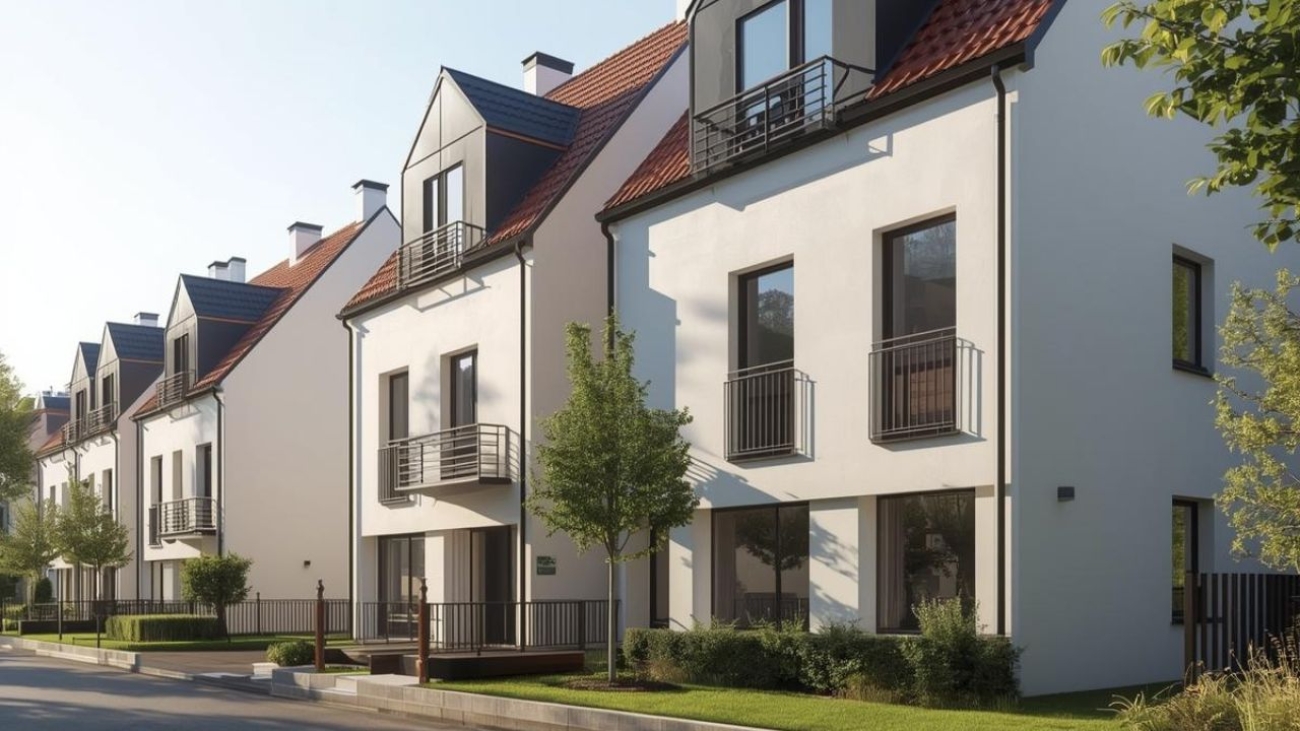
Depending on the economic context, property values can fluctuate either upward or downward. Over the past decades, real estate and inflation have been topics that have drawn the attention of both investors and economists. Only by understanding how real estate reacts to economic changes can we build a solid investment strategy. Is there a direct link between real estate and inflation? How does property value respond to shifts in the economy?
Understanding the Relationship Between Inflation and Real Estate
Inflation is generally defined as the rise in the overall price level of goods and services over time. When inflation increases, the purchasing power of money decreases, leading to higher prices. This relationship between real estate and inflation often results in an increase in property values.
Inflation and Property Value
Investing in real estate is often viewed as an effective hedge against inflation. This is because property prices typically rise along with inflation. During periods of high inflation, the cost of construction materials and labor increases, which in turn drives up housing prices. In such circumstances, property owners can raise rents to offset higher expenses. As a result, inflation can actually enhance the value of real estate investments.
How Economic Changes Affect Property Value
Several economic factors influence property value, including inflation, interest rates, housing demand, and GDP growth. Real estate is a unique asset class that is highly sensitive to both local and global economic conditions. During periods of economic expansion, property values tend to rise, while during recessions, they often decline.
Conclusion
Understanding the relationship between real estate and inflation can help investors better manage their real estate assets. While inflation often leads to an increase in property values, successful real estate investing requires a well-thought-out strategy and consideration of multiple economic factors.
Sponsored article